- Teacher: Dr Chris Lenina Peters
- Teacher: Dr SORINCHON RIMAI
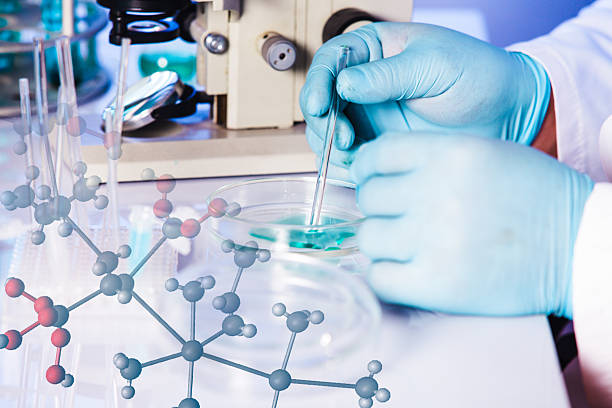
Biological Chemistry and Molecular Biology is an interdisciplinary course that provides students with a fundamental understanding of the chemical principles underlying biological processes and the molecular mechanisms that govern life. The course covers the structure, properties, and functions of major biomolecules, including carbohydrates, lipids, proteins, and nucleic acids, along with enzymes, bioenergetics, and metabolic pathways.
The molecular biology component focuses on the structure and organization of DNA and RNA, DNA replication, transcription, translation, gene regulation, mutations, and mechanisms of genetic information transfer. Students will also gain an understanding of key molecular biology techniques and their applications in biotechnology, biomedical sciences, and research. The course integrates biochemical concepts with molecular mechanisms to help students understand how cellular processes are regulated at the molecular level.
- Teacher: Dr K. DEEPTHI PRIYA
This course introduces the fundamental principles governing energy transformation and utilization in living systems. It explores the thermodynamics of biological reactions, ATP and energy coupling, electron transport, oxidative phosphorylation, and mechanisms of biological oxidation. It also provides a comprehensive understanding of enzymes, including their classification, structure, catalytic mechanisms, factors affecting enzyme activity, enzyme kinetics, inhibition, and regulation. The course enables students to relate energy metabolism and enzyme function to essential cellular and biochemical processes.
- Teacher: Dr GOVINDA RAJU VADANKULA
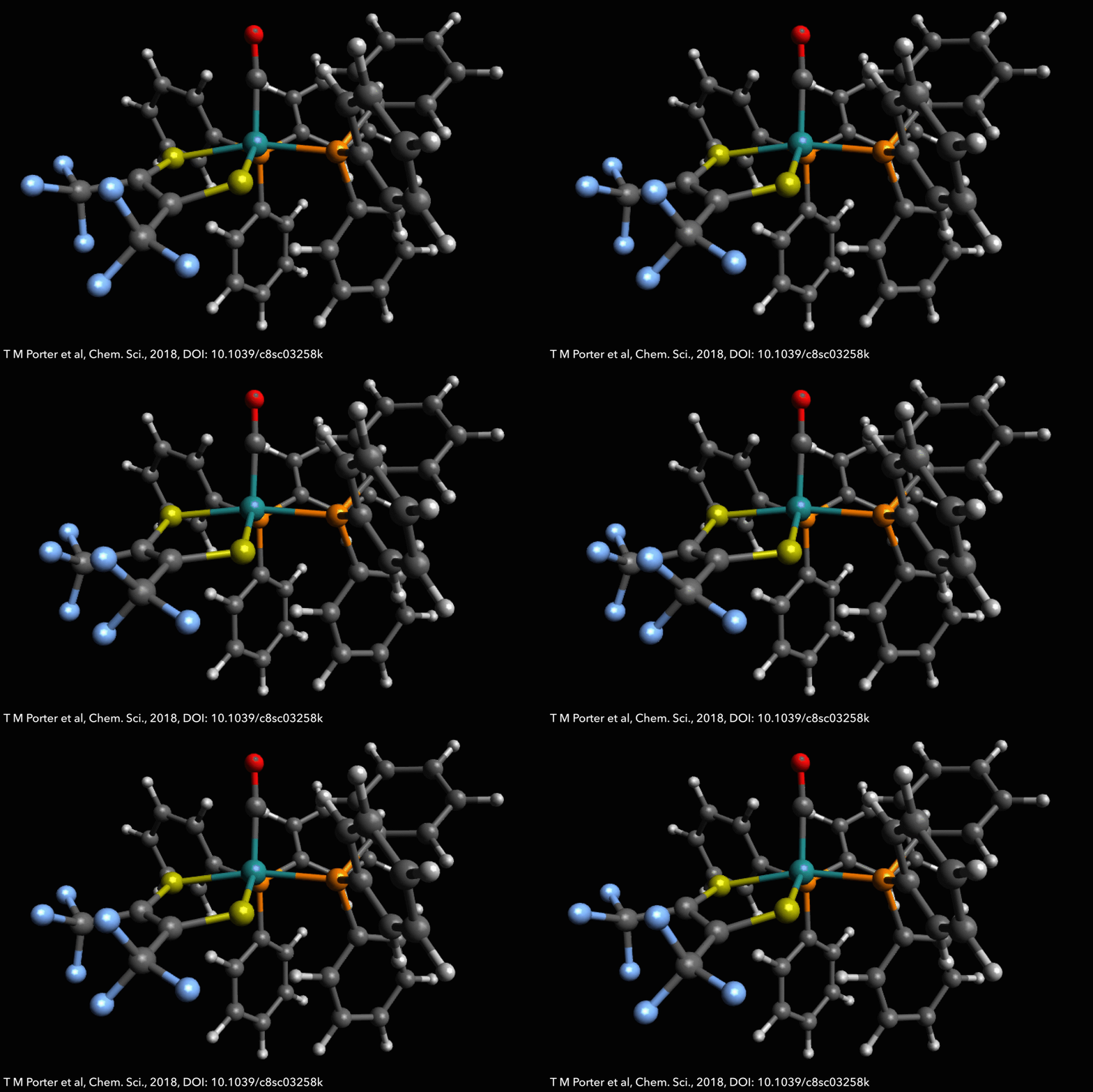
This course provides a comprehensive foundation in inorganic, organic, physical, and general chemistry through the study of molecular structure, chemical bonding, reactivity, catalysis, solid-state chemistry, bioinorganic systems, and heterocyclic compounds. It develops the ability to interpret chemical phenomena using fundamental principles and promotes analytical and problem-solving skills relevant to chemical sciences. The laboratory component strengthens competence in organic synthesis, experimental techniques, and safe laboratory practices, preparing students for advanced studies, research, and professional careers in chemistry and allied disciplines.
- Teacher: Dr. SATABDI ROY